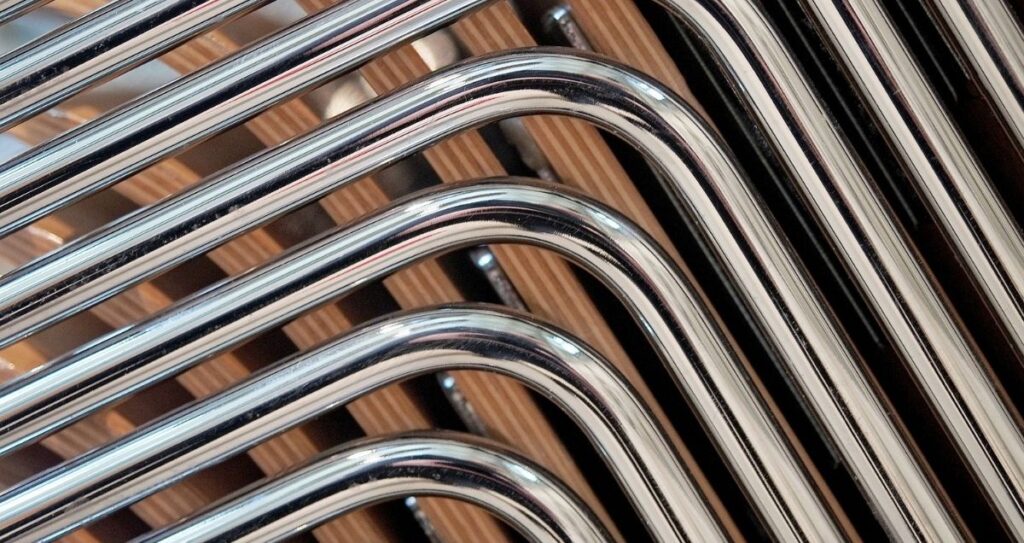
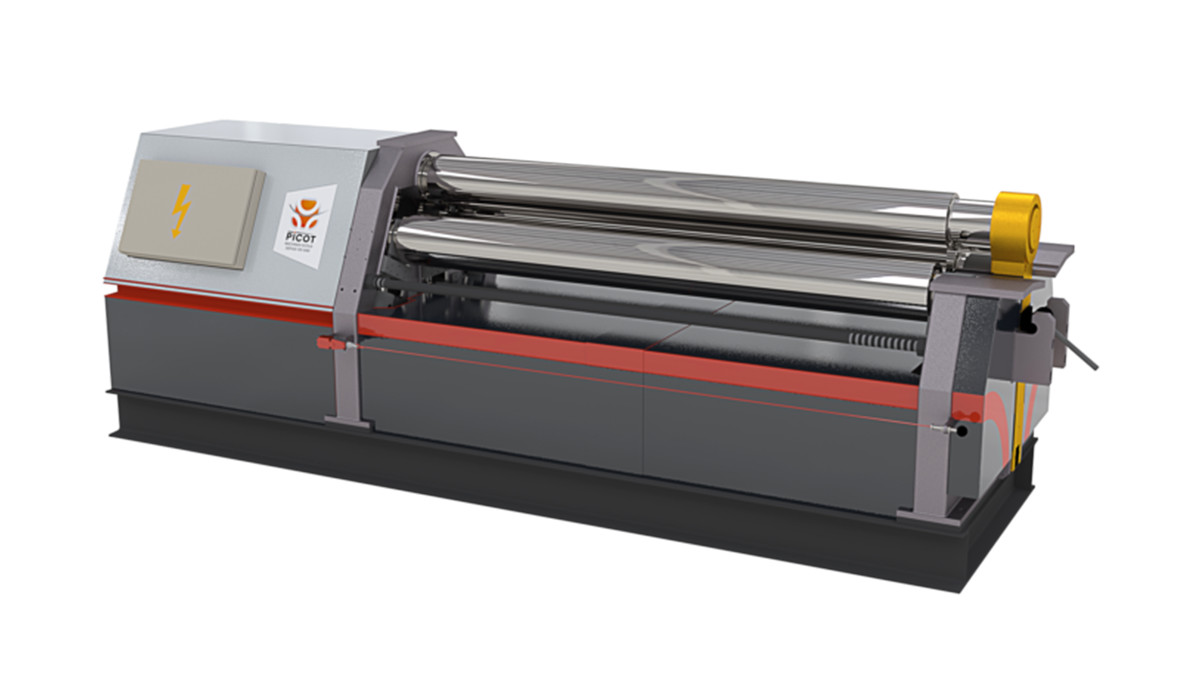
Established in Melbourne, Delahenty Machinery specialises in tube manipulation, cutting machinery automation & machine tooling for a wide range of industries.
Machine tending can be a dull and dangerous job that requires a high level of consistency – even after many hours of work. Automating your machine tending job increases safety for your workers and frees them up for higher level tasks. Plus, it also increases productivity and allows for production to continue after operators have left the workshop, meaning you can take on bigger jobs.
With the OnRobot dual gripper solution, you can significantly decrease cycle times as it is able to handle 2 objects and actions simultaneously.
In this video we will highlight the main considerations needed to Automate a CNC Machine Tending Application. The first step before deploying any industrial robotic application is to completely analyse the process that needs to be automated.
As an essential partner, OnRobot products offering now opens new possibilities for automating robotics and cobotics tasks to our customers and their businesses.
Contact us today to discuss our OnRobot range of EOAT and End Effectors can improve your business.
We are a prominent importer and supplier of machinery solutions for the metal forming, manipulation, and cutting industries. We offer a wide range of top quality machines from some of the top international manufacturers.
Contact us today and experience the best service in the industry.
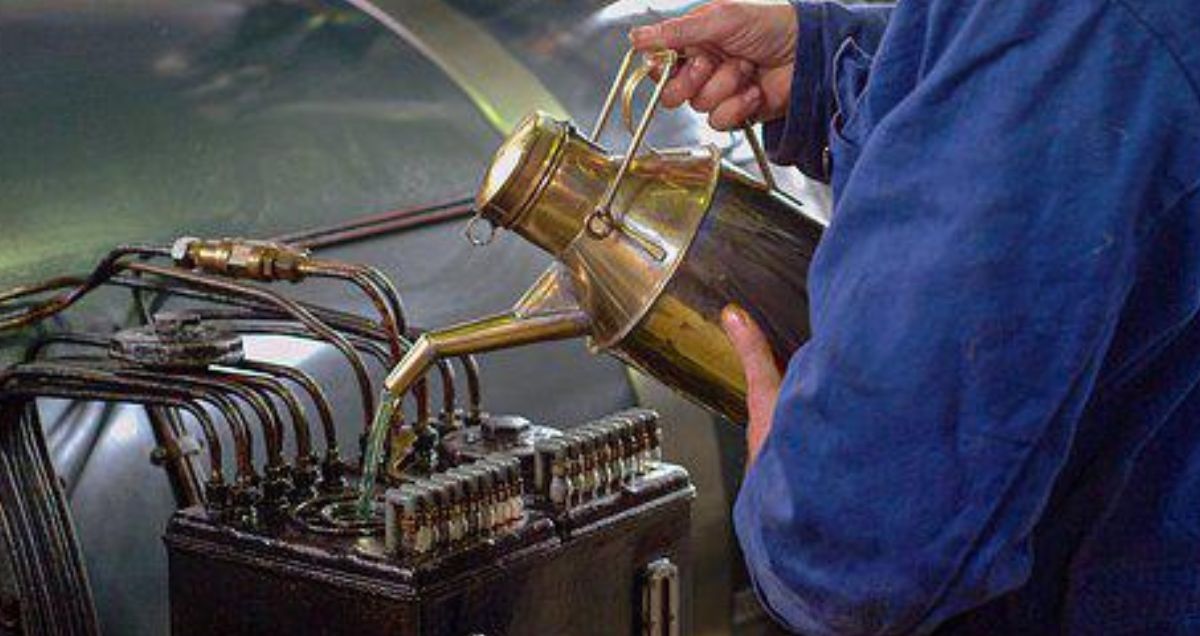
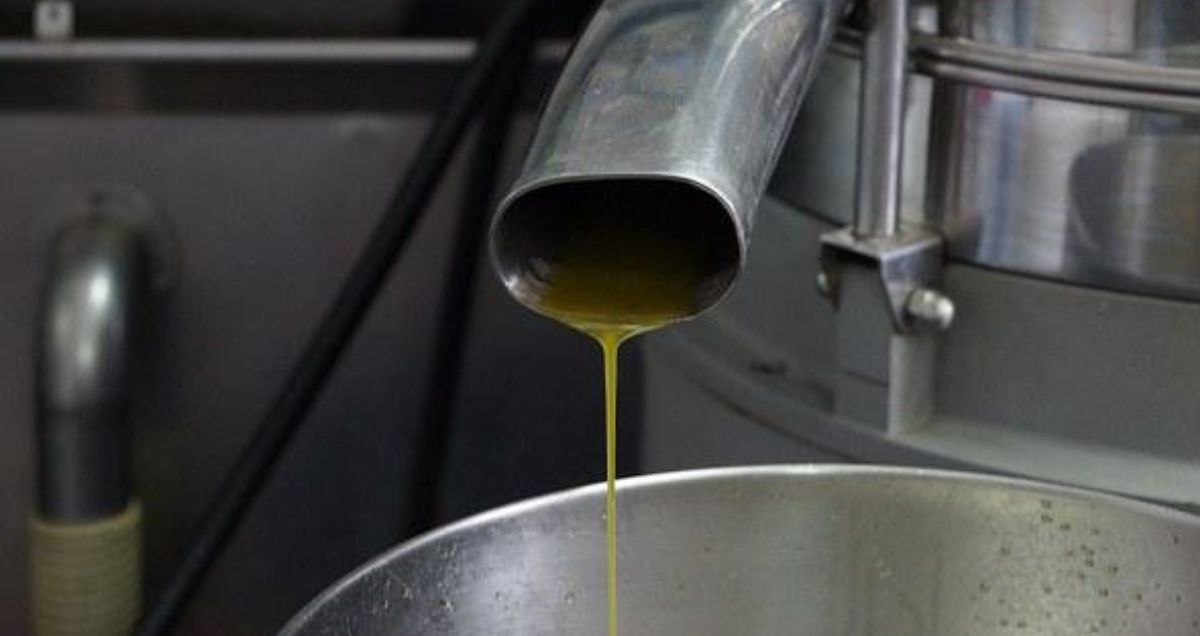
Machinery should fill the engine oil regularly to ensure that it functions correctly. Running the machinery without oil can cause irreversible damage to the bearings and may even break down and hinder your business. To save money and time in your busy schedule, it’s a good idea to learn how to add machine oil to machinery and understand different ways of protecting your equipment from damage.
How to add oil to Heavy Machinery
Identify Machine Oil
Firstly, you need to choose your machine oil for machinery. It should be correspondent to the heavy machine being topped up. Then you need to select a proper transfer container for the machine oil. Before using this container, make sure it is clean and safe.
Now, put it into an S&R container. It has been sitting around with the lid off, collecting dirt particles or moisture.
It would help if you did not mistake using the same S&R container for all your machinery oils process.
After filling the S&R container, seal the spout. And clean spilled oil on the outside of the container.
Keep the container protected because you make your way through the plant.
In the end, determine how much oil the machine requires. This will help you with an indication of how much oil was lost and how much was added. In this way, you will save extra oil in the future.
Free of Contamination
You should ensure the machinery area is free of contaminants before topping up. Then verify the machine oil tag to tag on the S&R container. If they match, then add oil; otherwise, not.
Using the wrong oil can be catastrophic to equipment. Once you have the right machine oil, confirm that it is safe for use before touching the equipment.
Then check the correct place and clean dirt, debris, product, water, etc., from the opening before exposing the machine.
You can use a sight glass to monitor the oil level. It should be clean and enable you to see the level.
Adding Machine Oil
Now, you need to open the fill port slowly. And keep a check for any potential contaminants that might enter the machine system.
Use the container’s spout to fill the port’s hole without making contact. And start adding machine oil slowly. Check the level indicator and track how much oil is added.
As you see a rise in the oil level, stop filling to let the level catch up. Then, Close the spout, replace the cap or plug and wipe up any spilled oil.
Check the Top-up
Check the amount of oil you added for future reference. Clean all S&R containers and verify that the identification tags are unbroken and noticeable.
Now, put the machine oil containers to their designation.
It would be best to revisit the machine about an hour after adding machine oil to check the equipment’s level, leakage, functioning, or any issue you might have missed. You can make a checklist and keep it in your practice.
While topping up, if the machine was in motion, there is a possibility of fluctuation in oil level. In this case, you need to adjust the oil level accordingly.
S&R containers can help you in preventing the possibility of contaminants from entering your system. Make sure to purchase these containers dedicated to specific work areas and lubricant types.
Wrapping Up
The machine manufacturer should be involved in all phases of the machine oil change process. This involvement starts with contacting them to determine the proper service and replacement schedules.
Moreover, the technician who performs the oil change is responsible for the following:
1) applying the machine oil
2) rechecking the machine and piston rings
3) adjusting the tension on any series or parallel shafts
4) disconnecting any auto level or auto vacuum systems.
Our machine oil is suitable for heavy machinery where high-temperature conditions are expected. The oil is fully synthetic, making it highly resistant to heat and providing long-term lubrication.
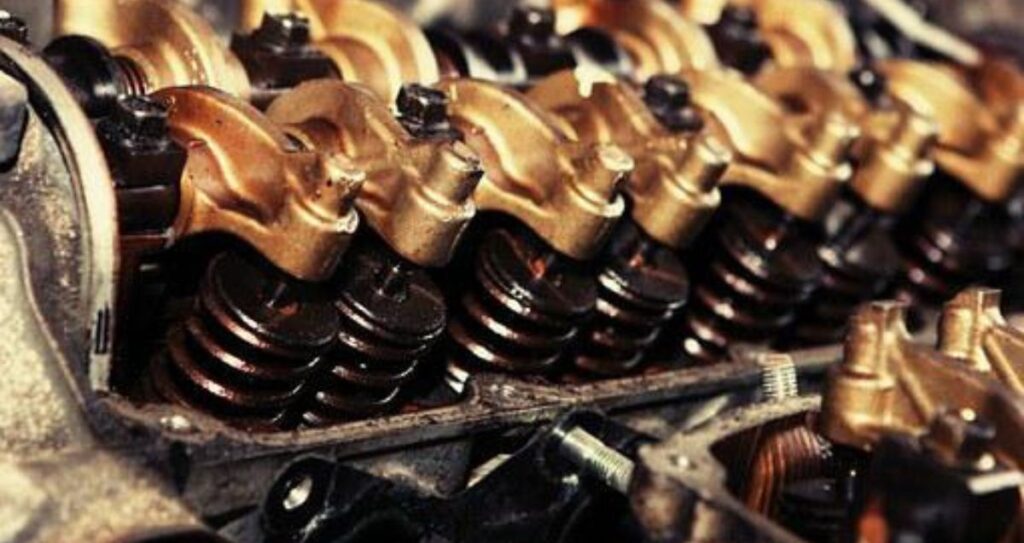
Machine oil is a type of lubricant used across a diverse range of industrial applications. In the manufacturing sector we’re focusing on today, machine oil in heavy machinery applications helps reduce wear and friction during operation. Its primary purpose is to protect machines from corrosion, deterioration, and rust—ultimately extending their lifespan. Whether it’s cranes, train tracks, or vehicles, machine oil plays a crucial role in maintaining performance. This preventive maintenance also helps eliminate the high costs of replacing heavy equipment.
Machine Lubricant is Necessary for Friction and Temperature Tolerance in Heavy Machinery
Friction and temperature tolerance can be problematic in industrial Machinery. Heat build-up over time can lead to decreased performance, additional maintenance, and downtime. Each machine requires its burning engine oil at different levels to run efficiently.
Machine oil is a lubrication maintenance agent for internal combustion engines, fuel-fed equipment, and heavy machinery. The right machine oil for heavy machinery helps keep friction and temperature at tolerable levels so equipment won’t deteriorate over time. This is true for any machine that uses rotating or reciprocating parts.
Machine Oil is Necessary for Removing Contaminants in Heavy Machinery
One of the essential parts of maintaining heavy Machinery includes applying machine lubricant.
The manufacturer uses machine lubricant in different parts of the machine, which are prone to contamination and wear. This helps prevent contamination in the device and increases its life.
Machine Oil is used to keep rubber gaskets and seals from drying out in heavy Machinery
Machine Oil is necessary for the proper functioning of mechanical equipment. Without machine oil, the rubber gaskets and seals in your heavy Machinery will dry out and fail. And then, you’ll be without a machine. The cost of repair can be costly and time-consuming. So, if you are serious about ensuring that your Machinery operates correctly and effectively all the time, then you need to have some machine oil on hand.
Machine Lubricant reduces Service and Maintenance costs in Heavy Machinery
Maintenance of Heavy Machinery is the major contributing factor to maintenance costs.
Heavy machinery requires high maintenance levels, and depending on what kind of machine it is, it can be very costly to maintain. Using the right machine oil for heavy machinery can significantly reduce friction and wear, helping to extend equipment life and improve performance. Machine lubricant reduces the amount of lubrication your devices need as well as the frequency, resulting in massive reductions in maintenance costs.
Final Note
Machine oil became a necessity with the introduction of the internal combustion engine. To function correctly, machines need regular lubrication to keep in working condition. The oil must be constantly supplied, along with belts and filters.
At Delahenty Machinery Company, we stock a great range of high-quality machine oil heavy machinery lubricants and filters. Widely used in industrial equipment, these products help reduce friction, dissipate heat, and prevent wear and corrosion—significantly improving performance and lifespan. We deliver top-tier machine lubricants to customers, ensuring smoother operation and lower downtime. Purchase our machine oil products today and enjoy the cost-saving benefits of enhanced reliability and durability.
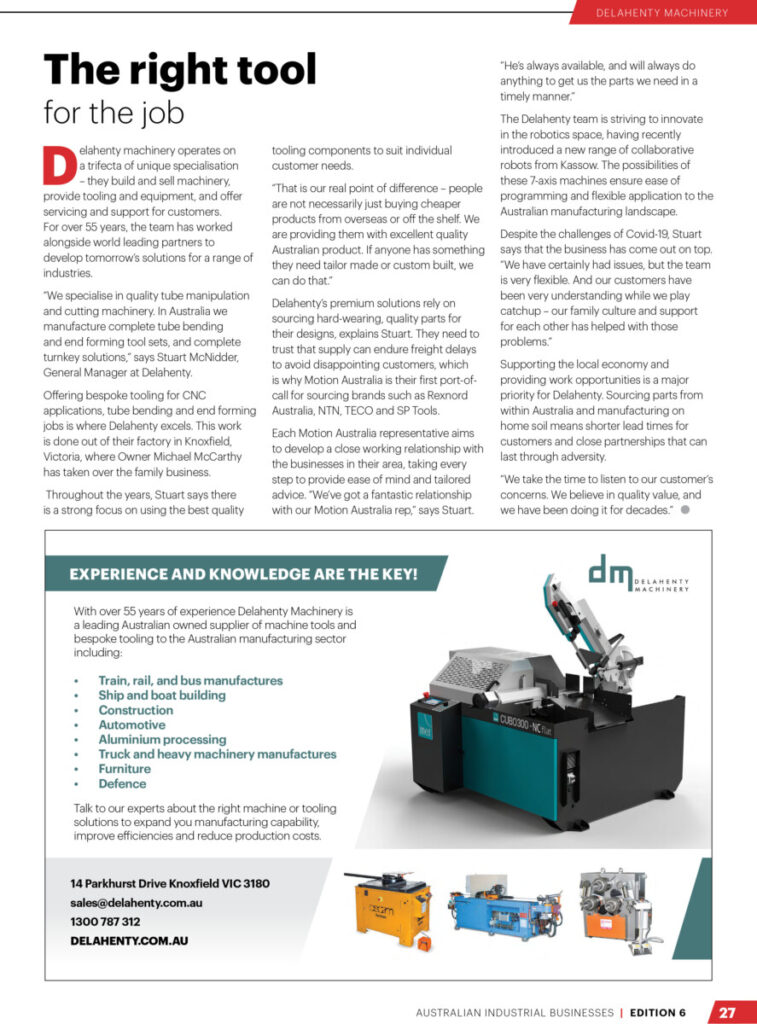
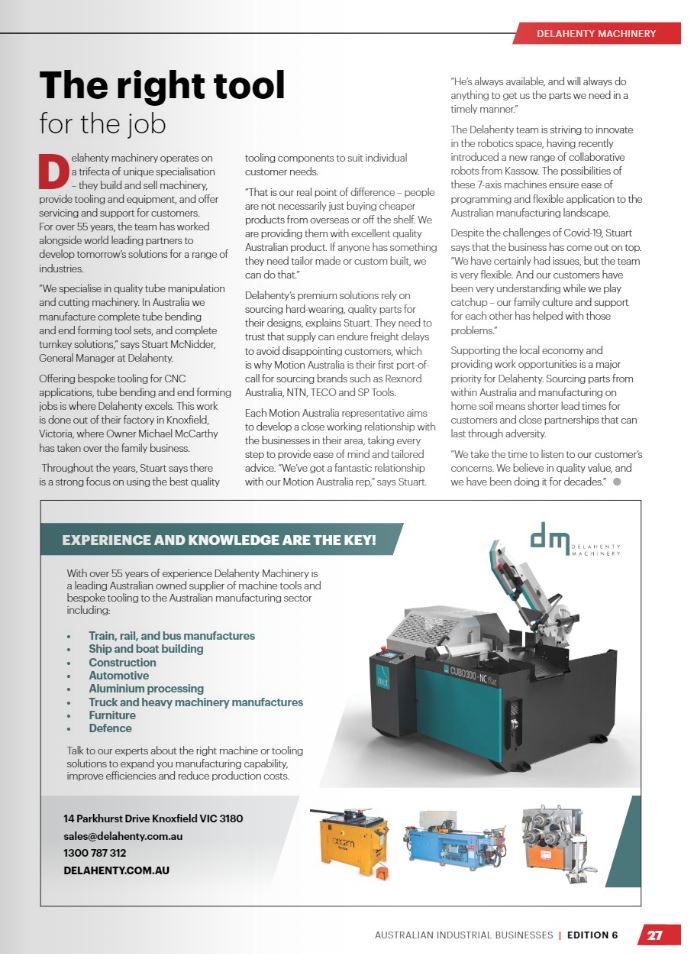
We are honored to have been awarded a silver award in the sixth edition of Australian Industrial Businesses magazine for Bringing the most innovative industrial and manufacturing solutions to our valued customers.
A big thanks to Industry inMotion for recognising our efforts in the manufacturing industry. And Congratulations to all the winners of the 2022 Australian Business Award winners.
We are a prominent importer and supplier of machinery solutions for the metal forming, manipulation, and cutting industries. We offer a wide range of top quality machines from some of the top international manufacturers.
Contact us today and experience the best service in the industry.
Are you planning to use a Ball mandrel and Wiper die to bend the pipe but do not know the process? Here is the guide to bending tubes with a ball mandrel and wiper die.
Why Use a Ball Mandrel and Wiper Die to Bend Tubing?
One of the oldest methods for bending tubing is using a ball mandrel and Wiper die. A wiper die has a stationary wiper that wipes the ball as it rolls against it, making a near-perfect radius every time. This will ultimately help improve the bend quality of your bends.
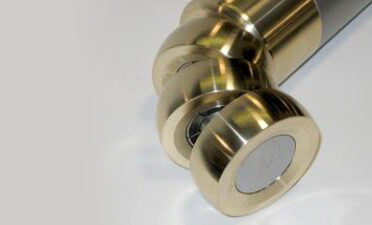
A ball mandrel supports the tube throughout the tube bending process and is used to produce flares, tees, and reducers. The ball-end reduces friction and oxidation during bending, allowing the workpiece to be held in a tight radius while not marring the surface or allowing distortion. The result is precise bending that produces better flare control and dimensional consistency.
How to Bend Tubing with a Ball Mandrel and Wiper Die
Firstly, you must make a successful plan to bend the tube with a ball mandrel and wiper die. You need to consider the material you are going to bend. Try to source the entire material from one supplier. It will help in maintaining the consistency of the tubing dimensions and characteristics.
Start considering the machines you are going to use. The bending machine should be in the right condition and should be of good quality because poor-quality tooling leads to longer set-up times, more scrap, poorly bent tubes, and unacceptable bends. You need an experienced one to operate that machine.
When performing this type of bend, the piece of tooling, the Wiper Die, should be accurate. The groove must be slightly larger than the O.D. of the tube ñ 10% of wall thickness as being minimum. It must be of high polish, lubricated with thin oil. Too much fat or too heavy oil in this area will cause wrinkles. Wiper Dies fit to the bend die groove must be 85% contact from 12:00 o’clock to 6:00 and for at least 15-20 degrees back from tangent. When the bend die does not support the Wiper Die. It will spring away from the mandrel. It can cause the tube to wrinkle.
Wrapping Up
These tools are excellent aids for bending tubing. It allows you to make consistent tapers on tubing, whether you want a tight or loose fit. The mandrels and dies will enable you to make different-sized bends and give you those custom curves that your other tools do not allow.
Delahenty Machinery is a leading manufacturer of tube bending machinery, including ball mandrels and wiper dies. Many industries use our machines to process tubes and pipes, from ultra-pure copper and brass to hardened steel, stainless steel, aluminium, and titanium.
How to Use Machine Lubricants effectively is crucial for ensuring long machinery life, efficient performance, and minimal downtime. In this guide, you’ll learn how to use machine lubricants by choosing the correct viscosity and additives, storing and handling oils properly, applying lubricants using best techniques, monitoring oil condition with ISO-standard analysis, and implementing machine lubrication best practices. Follow these tips to avoid common lubrication mistakes and maximise your machinery’s reliability.
Machine lubricants, like any other oil, reduce the friction between moving parts in machines and equipment through a lubricating film applied onto surfaces where contact occurs. Friction is the force that opposes motion between surfaces and results in heat and wear of both surfaces.
Some machine lubricants are cooled to prevent additional heat as they work. You can apply cooling machine lubricants to increase their performance while adding some complexity concerning maintenance that involves handling and disposal.
Lubricants have a variety of uses on machinery. The primary purpose of a lubricant is to reduce wear, help bearings roll more freely, and reduce rust or corrosion over time. Many types of lubricants are available for machinery, with some common types including grease, oil, and wax. They also come in various viscosities to suit the use case. We’ll look at all four lubricants and their applications in this guide.
Oil Machine Lubricant
When dealing with any machinery, you must ensure that it runs efficiently and effectively. This is especially true when it comes to your oil drilling equipment. Without proper lubrication, you could have a situation where equipment breaks down rather than working correctly. Oil machine lubricants can do everything from prolonging the life of the machinery to reducing downtime to simply making the most efficient use of your fuel.
Oil is a lubricant used to reduce friction and wear between moving parts. Installing oil machine lubricants can make equipment more efficient and increase life expectancy.
Oil machine lubricants come in various viscosities, thicknesses, and performance levels. Using lubricants in an oil rig is integral to operating the machine.
When selecting your next lubricant for industrial uses, it’s essential to consider the oil’s properties and what you’ll be using it for. Each oil machine lubricant has its own unique set of characteristics.
Greases Machine Lubricants
A grease machine lubricant is a special type of lubricant used for smooth operation. In the commercial automobile industry, there are many heavy-duty machines and vehicles where these greased lubricants play an essential role in their smooth operation.
Greases are thickened lubricants designed to lubricate bearings, joints, and other moving parts. It is produced in several forms, such as wheel bearing grease, chain and belt lubricant, industrial gearbox grease, and molybdenum disulphide greases, which are used as a solid lubricant in parts of machinery that cannot accommodate more fluid lubricants.
This lubricates moving parts in engines, pumps, fans and other mechanisms. Grease has the advantage over oil because it remains in place, whereas oil circulates the engine. This is why you should use grease to lubricate certain parts of a machine – particularly those that usually need re-lubrication, such as gears and bearings.
Penetrating Machine Lubricants
An Overview of Penetrating Machine Lubricants. Lubrication is one of industrial machines’ most essential and overlooked maintenance aspects. Factories and manufacturing plants must ensure that their machines have adequate lubrication to prevent wear, reduce downtime, and provide proper operation.
While old-fashioned grease has been a trusted form of lubricant for many years, penetrant oils have brought significant changes in both cost savings and environmental concerns.
Penetrating oils are a great way to stop everyday problems dead in their tracks. If you’re learning how to use machine lubricants, they are also ideal for projects that are still in progress. This fast-drying oil applies quickly and penetrates deep into metal pores or other surfaces without leaving a greasy residue behind.
In addition, they are easy to clean up after and won’t leave any residue behind. Penetrating lubricants, in general, can be great for many different things such as unlocking stuck locks, freeing stuck parts, removing beetles, moving stuck or rusted nuts or bolts, and even forming non-marring thread lock systems.
Dry Lubricants
The dry lubricant for heavy machinery is what replaces hard unions in old equipment. These new unions require no maintenance, do not leak, and provide less friction. So the machine operates faster and more efficiently.
Dry lubricants are generally used in large-sized industrial equipment that operates under heavy load conditions with temperatures ranging from 500C to above 1000C.
It is very economical and can reduce operating costs. Dry lubricants reduce frictional losses in all your rolling elements by 0.2% to 3%. That translates into a lot of savings and a lot less wear. It is perfect for excess, shock, heavy, and hard-to-quench applications like mining and off-road equipment.
Final Note
Be sure to look for compatibility with your specific application. You should properly apply the lubricant at the correct locations of your machinery. This should help prevent your machine from wearing out quickly. With proper lubrication, you can ensure that it will last longer.
We recommend inspecting your machinery regularly, especially when dealing with high loads or excessive friction. Understanding how to use machine lubricants can help ensure all components move freely and do not rub against each other.
Delahenty Machinery provides our customers with the best lubricants and services of the highest quality; we have trained and experienced staff who will make your experience with us pleasant. Contact us for more details.
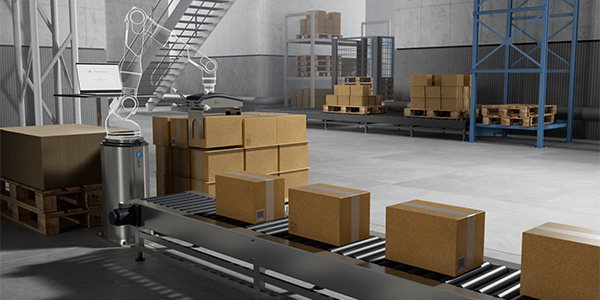
Did you know? Your palletising operations can be made simpler, faster, and more efficient at affordable cost with the *NEW* OnRobot Palletiser.
Join this OnRobot webinar to learn how manufacturers, logistic, and warehouse operators can relieve workers of repetitive, dangerous, and unergonomic tasks while increasing their productivity and efficiency.
Seize the opportunity to see the technology in action with a live demo and have an interactive session with the industry-leading experts for any questions / doubts on collaborative automation.
We are a prominent importer and supplier of machinery solutions for the metal forming, manipulation, and cutting industries. We offer a wide range of top quality machines from some of the top international manufacturers.
Contact us today and experience the best service in the industry.
Sheet Metal design is a complex task that involves several disciplines, including flexible mechanical and thermal behaviour, aesthetics, manufacturing, and assembly processes. Understanding common sheet metal design mistakes is essential for manufacturers to avoid costly errors and ensure efficient production outcomes. A product designed with a compromise of these areas can cause severe issues down the line, affecting performance, durability, and end-user satisfaction.
Below are a few mistakes manufacturers often encounter when designing Sheet Metal products and ways to avoid them.
Having a Tight Bend Radius
The bend radius is necessary to notice when drawing up your design. Because when the bend radius is too tight, it becomes a weak point in the sheet metal product.
A near-perpendicular bend area can cause your part to break easily. It can also deformity the dimensions of the sheet metal part you’re trying to create.
You need to understand the bend ratios and quality of the sheet metal product. If you cannot understand, you will most likely get a crack in the metal.
In this case, you need to redesign and refabricate your metal product, and it will enhance your production cost.
Making Excess Holes
Holes, in particular, are daunting to add in large quantities in sheet metal products. It can add complexity to the process, and each hole has a solid chance of breaking the sheet metal product.
Moreover, placing these notches and other features too close to your bent edges can affect the function of the sheet metal part.
If you place the holes near a bend radius, they may lose their capacity to hold hardware or withstand tension.
The best practice is not to put any cut features near any bends. If you need to add one near a turn, try to add them past the bend line.
Not Including Hardware Specs
Including all details is essential when compiling your hardware specifications in your CAD file. Every sheet metal product fabrication process begins with a CAD file.
Without the proper hardware specifications, you will have extended lead times for your fabrication.
You need to note which types of nuts, studs, bolts, and other components you require in your sheet metal product. With a comprehensive CAD file, you will acquire precisely what you want in lesser time.
Using The Wrong Sheet Metals
Selecting the suitable sheet materials for your project is very important. When in the designing stage, consider the type of environment your product will face daily. Avoiding common sheet metal design mistakes during material selection can help improve product durability, performance, and overall manufacturing efficiency.
If your design is based on mechanical properties alone, your product may become unusable in a short amount of time. Such as, untreated steel would not last very long in a high-salt, damp environment.
You can avoid enhanced manufacturing costs by considering resistance to heat, corrosion, and other environmental factors.
For instance, mechanical features like tensile strength or malleability, Conductivity of electricity and heat, Toughness and wear resistance, Weight, and manufacturability and Cosmetic look.
Picking The Wrong Finish
Apart from the base materials, the sheet metal finish also serves an essential purpose for your final product. Some finishes protect steel, while others add decorative features to their surface.
Aesthetic finishes usually don’t provide any corrosion protection. But powder coating does give some protection against water and other elements.
Chemical finishes alter the properties of the steel surface. And add additional features to make it more corrosion-resistant.
When selecting a finish, there are many options to check. So, check which one will give results that suit your needs.
Being Unaware of Machine Capabilities
Another common mistake when designing sheet metal products for manufacturing is a general lack of knowledge of the machines.
When talking with a manufacturer, take the time to ask them about their devices and their capabilities early on.
You can ask for a guided tour around their facility. It enables you to make the appropriate adjustments to your design to meet these constraints better.
Final note
The most important thing to remember when designing metal components is that the metal part will always be bent into shape.
This means you need to consider this in your design. Most design engineers tend to design Sheet Metal parts using a flat pattern, but this can result in poor formability and reduced yield.
Always consider the surface finish required for your product and the requirements for special finishes such as electroplating or heat treatment.
Delahenty Machinery
At Delahenty Machinery, we endeavour to be the one-stop shop for all your Sheet Metal needs. We ensure that you get access to the best tools and machines at affordable prices, helping you improve your manufacturing processes and avoid common sheet metal design mistakes. By choosing the right equipment from us, you can achieve better accuracy, efficiency, and quality outcomes, making our solutions more advantageous than other options available.
As explained in this bending tooling guide, each component plays a vital role in the successful operation of bending tooling. Essential components include the bend die, clamp die, pressure die, wiper die, and mandrel.
So, before diving into each bending tooling component, let us understand what tube and pipe bending is.
What is Tube and Pipe Bending
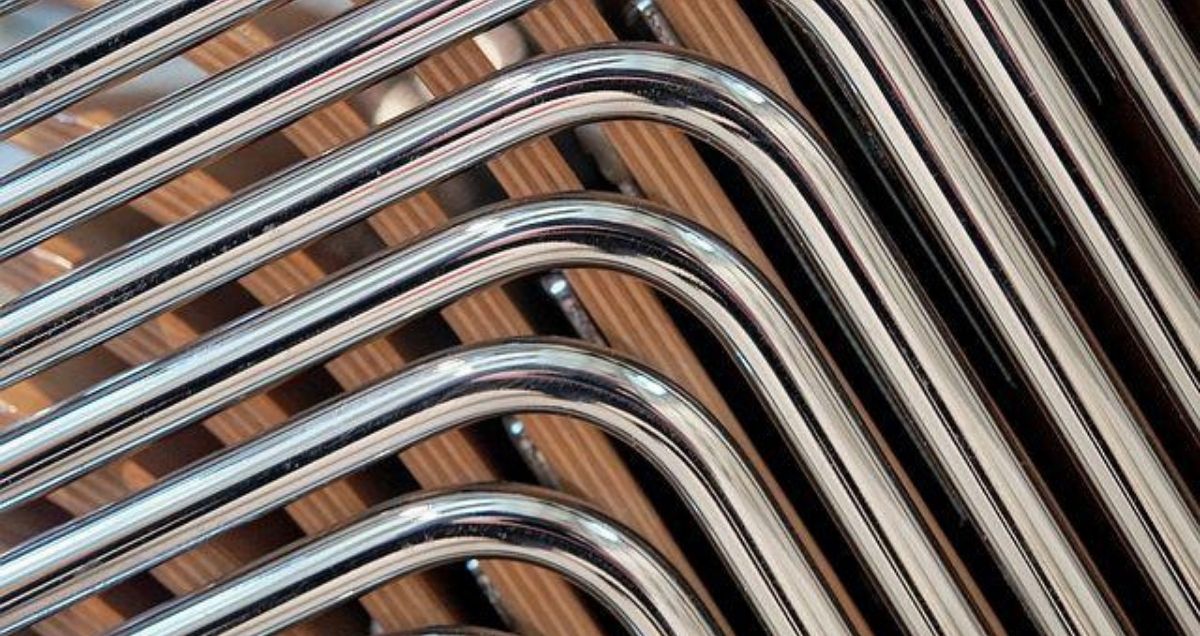
Tube and pipe bending is a manufacturing process. In this process, we use a machine for bending pipes and tubes. And try to get a perfect bending shape. It allows the production of shapes that are not achievable by other processes, such as roll forming, plate rolling, press brakes, or tube cutting.
We use Tube and pipe bending processes in several applications in almost every industry, such as exhaust systems, headrests, etc.
Each component plays a vital role in perfect bending in the bending tooling process, which we will discuss later in the same article.
How do Tube and Pipe get bent?
Bending tubes and pipes can be a daunting process for someone unfamiliar with the equipment, techniques, and safety requirements. The process requires specialised machinery, a trained, experienced operator, plenty of time, and attention to detail.
Either manually or with automated machines, you can finish the tube and pipe bending process. It depends upon the type of manufacturing product. Tube bending machines are best suited for short-radius turns, while more sophisticated pipe benders make longer-radius bends. With a tube bender, you can make fittings such as tees and crosses, but you’ll need a pipe bender for elbows and other complicated shapes.
As covered in this bending tooling guide, accurate calculations often determine the success or failure of any bending tooling setup. Before the tooling is installed, calculations establish the ideal bend radius and confirm whether your equipment can complete the required bend.
Moreover, the material you are using must not be bent cold in the bending tooling process. Cold bend dies only work for materials like iron and aluminium. If your material exceeds a hardness of 101 BHN, it cannot be produced with a cold die on a press brake. The more complex your material is, the more likely you will need an induction heater to heat the bar to make a bend.
Perishable and Non-Perishable Components of Bending Tooling Sets
Tube bending components consist of both perishable and non-perishable components. Perishable components will eventually have to be replaced, and non-perishable components are those you won’t have to replace.
The two big pieces of perishable tooling are the wipers and the mandrel (Shank, body, nose, and ball mandrels all included). The non-perishable components include:
It is a quick, cheap and easy way to produce extreme bends in thin-walled, low-conductivity metals. From the reverse side of the bend die, a blank is pushed through a groove. And then the metal’s composition is rolled into a thin sheet over the die surface and compressed. The blank is then made through the die with enough pressure to bend it, and finally falls off upon reaching the exit hole of the die.
Clamp Dies
It is one of the most common hydraulic tools. There are various types and sizes of clamp dies available.
In CNC machines, it is a common tool. A clamp die can create pressure and hold stationary any part that goes through the machine while machining it.
Ratcheting dies, snap-action dies, and clamping dies are synonyms of clamp die. The clamp die is essential in your bending tool kit, no matter what name it goes by. A clamp die can clamp together two die flanges to accommodate various sheet metal thicknesses without you having to resize the dies for each new material thickness.
Pressure Dies
We use pressure dies in high-volume, tight-tolerance, or high-output production applications. Only High-pressure machines can create these dies. They only work if they are at the correct pressure level. Otherwise, they could cause damage to the products.
There are many pressure dies in bending tooling, each designed for a particular application or material type. Pressure dies are usually the last step in this process after a forming operation. And finally, it imparts the final bend profile on the formed metal blank or part.
Wiper Die
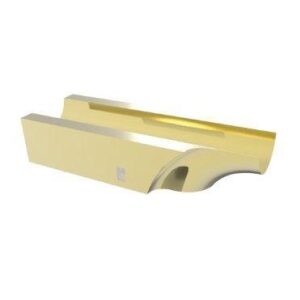
Wiper dies are bending die inserts and are mainly used for bending and forming operations. These dies are most commonly used in standard shapes and sizes and are made from high-quality tool steel. While their usage can vary within the industry, their function is consistent — to remove the smaller amount of material found on the top side of a sheet. Because wiper dies are designed to remove only the excess sheeting that presents an issue during bending, they act as a sacrificial die and will wear out quickly.
Mandrels
The mandrels in bending tooling allow a continuous bend of the pipe or tube to any desired radius. A hydraulic system operates it. In this process, you put a stack of mandrels inside the machine. The mandrel rotation arrangement works with the stack of mandrels according to the diameter and length of the products.
Final Note
This is certainly not a comprehensive guide to bending tooling, but it should help you determine if it’s the right option for your business. And as mentioned above, there are many more considerations than what we discussed here. Whether you end up opting for these tools or going with a different approach, keep in mind that the best decision is often the one that suits your specific business needs and budget.
Delahenty Machinery
At Delahenty Machinery, we make the highest quality bending tooling. Use our bending tooling guide to explore high-quality bending tooling that improves productivity, lowers manufacturing costs, and maintains exceptional quality. With a wide range of products and our exclusive package design philosophy, the right solution is only a call or click away. Contact us for more details.
Steel plates are used in numerous ways around the world. But did you know steel plates can be bent into intricate shapes? Yes, they can.
Though bending steel plates can seem like a daunting prospect, it is not as difficult as it may appear and is easier to learn than you may imagine.
Here we have five tips to bend steel plates ideally. With these solutions, you will get good help in the steel plate bending process.
Bend the sheet beyond the desired angle
Sheet metal contains a high bending ability to spring back to its original position. The material should be turned beyond its required angle when bending a sheet.
Is the sheet metal workable enough?
When you bend steel plates, creating a sharp corner can cause the sheet metal to crack or break. To avoid this, use an appropriate steel gauge, as not every material is strong enough to withstand sharp bends without damage.
Always use a press brake.
Press brake provides support and guarantees cleaner sheet metal bending. It continuous pattern across bent sheets. So, always use a press brake where you can.
Do not forget the process positioning holes.
It would help if you processed the positioning holes on the bending parts to guarantee the sheet metal’s precise positioning in the die. This way, you will eliminate the sheet metal from moving during the bending process. And make sure actual results across multiple sheet metal pieces.
Bend Allowance
Accounting for bend allowance is vital in knowing how to bend sheet metal. It would guarantee more error-free numbers, ensuring perfection in finished products.
Final Note
Steel Plate Bending is one of the most lucrative projects in the construction industry. It has changed the way of measuring success in this business. By bending steel, you have the potential to make a lot of money — provided you know how to do it right.
If you need to bend steel plates and pipes efficiently, understanding the fundamentals is the first step. Start by learning the concept of impact bending before applying the process. It accommodates various tools and techniques and is easy to begin using.
The key to successful Bending is to eliminate tension and increase speed. Through years of hands-on experience and interpretation of the industry’s leading experts, we have learned that these five tips to bending steel plates with different techniques always work in all circumstances.
If you have any questions or concerns regarding steel plate bending, don’t hesitate to contact us directly, and we’ll take care of you!
Sheet metal bending is one of the most common operations. You can call it as folding, braking, flanging, die bending, and edging.
This sheet metal bending guide explains how different bending methods are used across various fabrication projects.
Sheet metal bending is when a single flat piece of metal is deformed through force. This force must be applied evenly across the workpiece to achieve a bend. The final result is a permanent change in the shape of the piece. Metal bracelets are just one example of what can be achieved with a simple sheet metal bending process.
But do you know? What are the most common bending methods? How to calculate bend allowance?
We will discuss all these questions in this blog and some bending tips. We would unfold every aspect of sheet metal bending.
Sheet Metal Bending Methods
Whether you have your own company that does lots of bending, or you’re a hobbyist who does it just for fun, you should always be looking for ways to improve the overall quality of your bending projects. This sheet metal bending guide can help you better understand the different bending methods and when to use them. It might not have occurred to you before, but there are multiple methods for bending sheet metal, and each has its advantages. The problem is usually between accuracy and simplicity, while the latter gets more usage.
V-bending method
The V-Bending method is the most common sheet metal bending method. This is because it is the most accessible workable sheet metal that can usually be completed in 2 or 3 steps. In this method, an instrument is a punch, and a v-die bends sheet metal to a required angle. The bending punch presses on the sheet metal placed over the V-die. After that, the angle formed by the sheet metal depends upon the pressure point of the punch.
V-bending is used for most bending projects. Bending stock material to fit the contour of a pre-existing component is what a v-bend does. You can use this method in automotive fenders, grills, vans, trucks, and RVs.
The V-bending method can be classified into three:
Bottoming
Coining
Air Bending
Roll Bending Process
To bend sheet metals into rolls or curved shapes, you can use roll bending. This sheet metal bending guide explains how the method employs a hydraulic press, a press brake, and three rollers to make different bends or a big round bend. This process forms cones, tubes, and hollow shapes.
U-Bending Process
The U-bending process is similar to the V-bending process. It uses the same instrument and method. The only difference is that the result in terms of the shape is U-shaped. U-bending is very famous. Moreover, other methods produce the form flexibly.
Wipe Bending Process
Wipe bending is a sheet metal working process used to create almost flawless bends. It is free of the double scarring found in taper dies. Wipe bending allows the metal shape to be made using just one piece of metal. The wiping dies are possible. It enables the metal to shape when in operation.
Rotary Bending Process
In the process of bending, scratching is produced by the tool. The rotary bending process does not lead to scratching the material’s surface. According to this sheet metal bending guide, it is also ideal because it can bend materials into sharp corners. Therefore, it has become a must-know skill in sheet metal work workshops.
Sheet Metal Bending Allowance
So, what is bend allowance? Bend allowance is a manufacturing term that refers to the allocation given to accommodate sheet metal’s stretch and bending.
When sheet metal is bent from its original flat shape, its physical dimensions will change. The force employed to bend the material causes the material to compress and stretch on the inside and outside.
This deformation changes the sheet metal due to the exerted force of compression and stretching on the bend. The length calculated from the bend’s thickness between the inner surface and the exterior remains the same. And we called this a “neutral axis.”
Bend allowance examines the thickness of the bending angle, the method employed, and the K-factor. Bend allowance measures the compression ratio on the inside line of a bend to the tension on the outside of the bend.
Questions you may ask before bending a sheet of metal
What is the best sheet metal bending method?
All sheet metal bending modes serve various purposes and produce multiple shapes. So, the best bending method depends on the material’s goal as per shape.
Is sheet metal easy to bend?
Bending steel plates is not that easy. But with an understanding of the process, it can become manageable. Firstly, you need to understand the methods to use and the tools available. You can go over the article to get familiar with the process.
Conclusion
So that wraps up our discussion of different methods for bending sheet metal. This sheet metal bending guide highlights that the correct solution to your particular problem will depend on the type of material you are using and the shape and size of your finished piece. If you have specific questions about these topics, don’t hesitate to contact us or another professional in your area!
We are Delahenty Machinery. We build the machines that build the world!
Kudos to the Team !! Delahenty Machinery are proud of their achievements and time spent in winning the award after being nominated Australian Industrial Businesses Magazine.
We are pleased to announce Delahenty Machinery have been awarded a silver award in the sixth edition of Australian Industrial Businesses Magazine for Bringing the most innovative industrial and manufacturing solutions to valued customers.
This award demonstrates our hard work and dedication to provide top quality customer service, product knowledge and outstanding machinery products. This is another reason why Delahenty Machinery has been growing as a business since 1964.
Moreover, The team from Delahenty machinery are pleased to have been awarded the silver award by Industry inMotion. And thankful too for this great article in Australian Industrial Businesses magazine.














![YLM - CNC Electric Tube Bender: CNC80MS-AE [Made in Taiwan]](https://www.delahenty.com.au/newwp/wp-content/uploads/2021/07/YLM-CNC80MS-AE-image-02.jpg "YLM - CNC Electric Tube Bender: CNC80MS-AE [Made in Taiwan]")