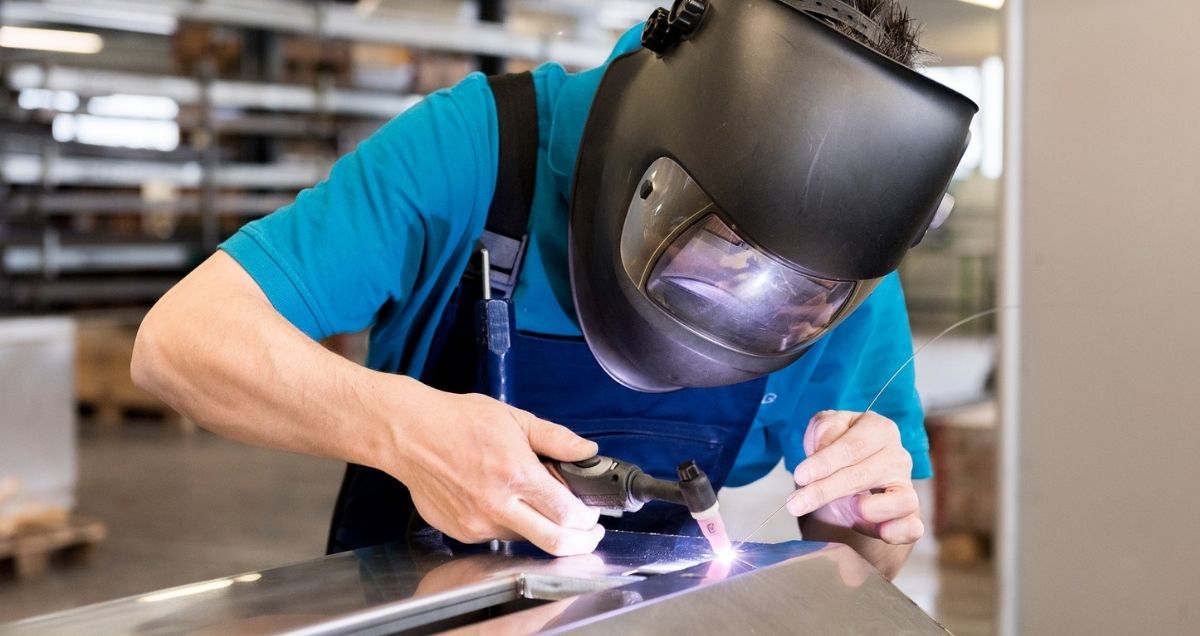
Mistakes to avoid when designing Sheet Metal products 

Sheet Metal Design Mistake

Sheet Metal design is a complex task that involves several disciplines that include flexible mechanical and thermal behavior, aesthetics, manufacturing, and assembly process.

A product designed with a compromise of these areas can cause severe issues down the line, affecting the performance and the end-user satisfaction.

Below are a few mistakes manufacturers often encounter when designing Sheet Metal products and ways to avoid them.

Having a Tight Bend Radius 

The bend radius is necessary to notice when drawing up your design. Because when the bend radius is too tight, it becomes a weak point in the sheet metal product.

A near-perpendicular bend area can cause your part to break easily. It can also deformity the dimensions of the sheet metal part you’re trying to create.

You need to understand the bend ratios and quality of the sheet metal product. If you cannot understand, you will most likely get a crack in the metal.

In this case, you need to redesign and refabricate your metal product, and it will enhance your production cost.

Sheet Metal Products

Making Excess Holes

Holes, in particular, are daunting to add in large quantities in sheet metal products. It can add complexity to the process, and each hole has a solid chance of breaking the sheet metal product.

Moreover, placing these notches and other features too close to your bent edges can affect the function of the sheet metal part.

If you place the holes near a bend radius, they may lose their capacity to hold hardware or withstand tension.

The best practice is not to put any cut features near any bends. If you need to add one near a turn, try to add them past the bend line.

Not Including Hardware Specs

Including all details is essential when compiling your hardware specifications in your CAD file. Every sheet metal product fabrication process begins with a CAD file.

Without the proper hardware specifications, you will have extended lead times for your fabrication.

You need to note which types of nuts, studs, bolts, and other components you require in your sheet metal product. With a comprehensive CAD file, you will acquire precisely what you want in lesser time.

Using The Wrong Sheet Metals 

Selecting the suitable sheet materials for your project is very important. When in the designing stage, consider the type of environment your product will face daily.

If your design is based on mechanical properties alone, your product may become unusable in a short amount of time. Such as, untreated steel would not last very long in a high-salt, damp environment.

You can avoid enhanced manufacturing costs by considering resistance to heat, corrosion, and other environmental factors.

For instance, mechanical features like tensile strength or malleability, Conductivity of electricity and heat, Toughness and wear resistance, Weight, and manufacturability and Cosmetic look.

Picking The Wrong Finish 

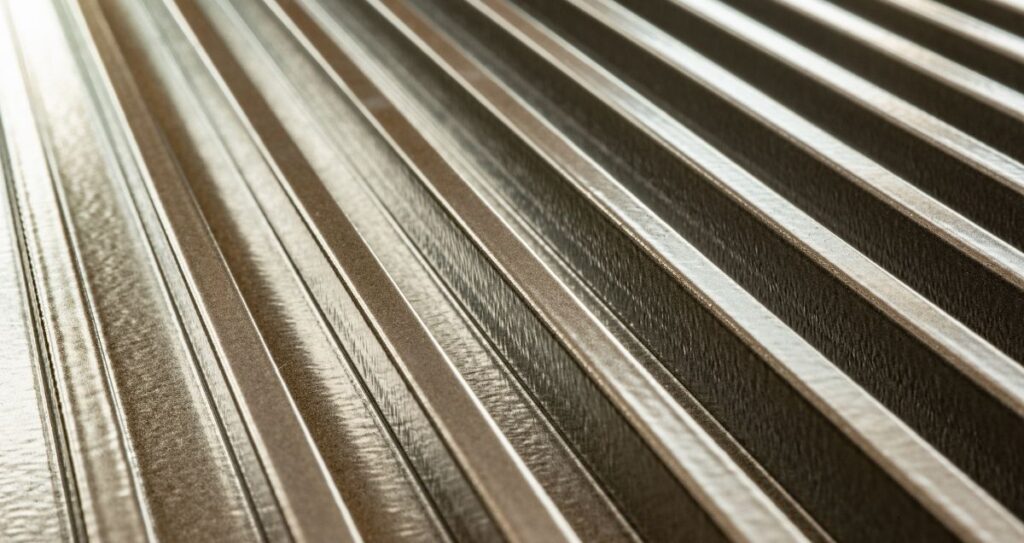
Apart from the base materials, the sheet metal finish also serves an essential purpose for your final product. Some finishes protect steel, while others add decorative features to their surface.

Aesthetic finishes usually don’t provide any corrosion protection. But powder coating does give some protection against water and other elements.

Chemical finishes alter the properties of the steel surface. And add additional features to make it more corrosion resistant.

When selecting a finish, there are many options to check. So, check which one will give results that suit your need.

Being Unaware of Machine Capabilities 

Another common mistake when designing sheet metal products for manufacturing is a general lack of knowledge of the machines.

When talking with a manufacturer, take the time to ask them about their devices and their capabilities early on.

You can ask for a guided tour around their facility. It enables you to make the appropriate adjustments to your design to meet these constraints better.
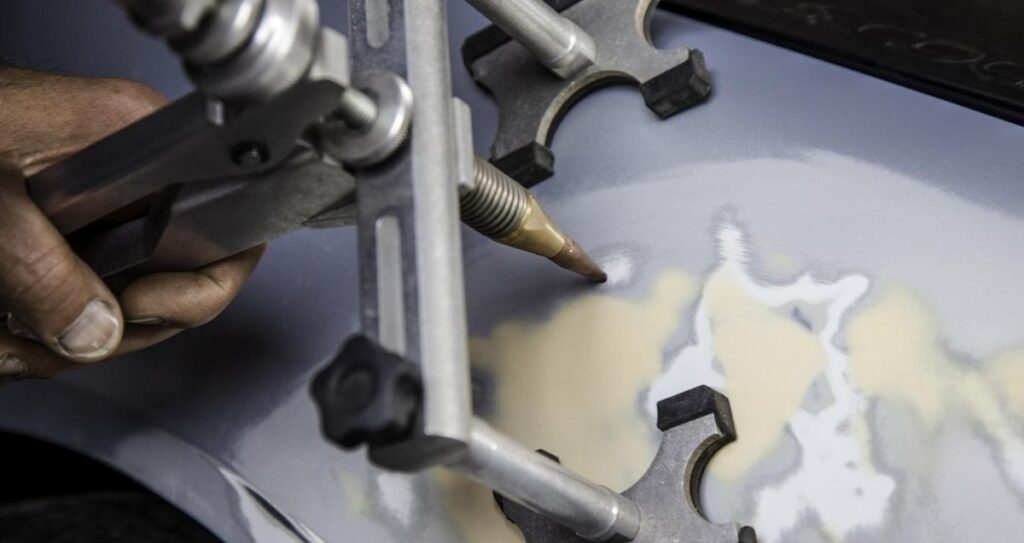
Sheet Metal Products

Final note

The most important thing to remember when designing metal components is that the metal part will always be bent into shape.

This means you need to consider this in your design. Most design engineers tend to design Sheet Metal parts using a flat pattern, but this can result in poor formability and reduced yield.

Always consider the surface finish required for your product and the requirements for special finishes such as electroplating or heat treatment.

Delahenty Machinery

At Delahenty Machinery, we endeavor to be the one-stop shop for all your Sheet Metal needs. We ensure that you get access to the best tools and machines at affordable prices, so buying them from us is more advantageous than anyone else.

Contact us for more details.

Five Ways to Bend Steel Plates like a PRO

Bend Steel Plates

Steel plates are used in numerous ways around the world. But did you know steel plates can be bent into intricate shapes? Yes, they can.

Though bending steel plates can seem like a daunting prospect, it is not as difficult as it may appear and is easier to learn than you may imagine.

Here we have five tips to bend steel plates ideally. With these solutions, you will get good help in the steel plate bending process.

Five Ways to Bend Steel Plates like a PRO

Bend the sheet beyond the desired angle

Sheet metal contains a high-bending ability to spring back to its original position. The material should be turned beyond its required angle when bending a sheet.

Is the sheet metal workable enough?

Bending into a sharp corner can break the sheet metal. For that reason, you should avoid this process. Using the steel metal gauge would be best, as not every material would be feasible enough to resist bends into sharp corners.

Always use a press brake.

Press brake provides support and guarantees cleaner sheet metal bending. It continuous pattern across bent sheets. So, always use a press brake where you can.

Do not forget the process position holes.

It would help if you processed position holes on bending parts to guarantee the sheet metal’s precise positioning in the die. This way, you will eliminate the sheet metal moving during the bending process. And make sure actual results across multiple sheet metals.

Bend Allowance

Accounting for bend allowance is vital in knowing how to bend sheet metal. It would guarantee more error-free numbers ensuring perfection in finished products.

Five Ways to Bend Steel Plates like a PRO

Final Note

Steel Plate Bending is one of the most lucrative projects in the construction industry. It has changed the way of measuring success in this business. By bending steel, you have the potential to make a lot of money — provided you know how to do it right.

Before bending steel plates and pipes to your will, it’s essential to understand the basics. First, understand the concept of impact bending, then start the process. This process allows for various tools and techniques and is relatively simple to start working on.

The key to successful Bending is the eliminate tension and increase speed. Through years of hands-on experience and interpretation of the industry’s leading experts, we have learned that these five tips to bending steel plates with different techniques always work in all circumstances.

If you have any questions or concerns regarding steel plate bending, don’t hesitate to contact us directly, and we’ll get you taken care of!

The Complete Sheet Metal Bending Guide

Sheet Metal Bending

Sheet metal bending is one of the most common operations. You can call it as folding, braking, flanging, die bending, and edging.

This sheet metal bending guide explains how different bending methods are used across various fabrication projects.

Sheet metal bending is when a single flat piece of metal is deformed through force. This force must be applied evenly across the workpiece to achieve a bend. The final result is a permanent change in the shape of the piece. Metal bracelets are just one example of what can be achieved with a simple sheet metal bending process.

But do you know? What are the most common bending methods? How to calculate bend allowance?

We will discuss all these questions in this blog and some bending tips. We would unfold every aspect of sheet metal bending.

Sheet Metal Bending

Sheet Metal Bending Methods

Whether you have your own company that does lots of bending, or you’re a hobbyist who does it just for fun, you should always be looking for ways to improve the overall quality of your bending projects. This sheet metal bending guide can help you better understand the different bending methods and when to use them. It might not have occurred to you before, but there are multiple methods for bending sheet metal, and each has its advantages. The problem is usually between accuracy and simplicity, while the latter gets more usage.

V-bending method 

The V-Bending method is the most common sheet metal bending method. This is because it is the most accessible workable sheet metal that can usually be completed in 2 or 3 steps. In this method, an instrument is a punch, and a v-die bends sheet metal to a required angle. The bending punch presses on the sheet metal placed over the V-die. After that, the angle formed by the sheet metal depends upon the pressure point of the punch.

V-bending is used for most bending projects. Bending stock material to fit the contour of a pre-existing component is what a v-bend does. You can use this method in automotive fenders, grills, vans, trucks, and RVs.

The V-bending method can be classified into three:

  • Bottoming
  • Coining
  • Air Bending

Roll Bending Process

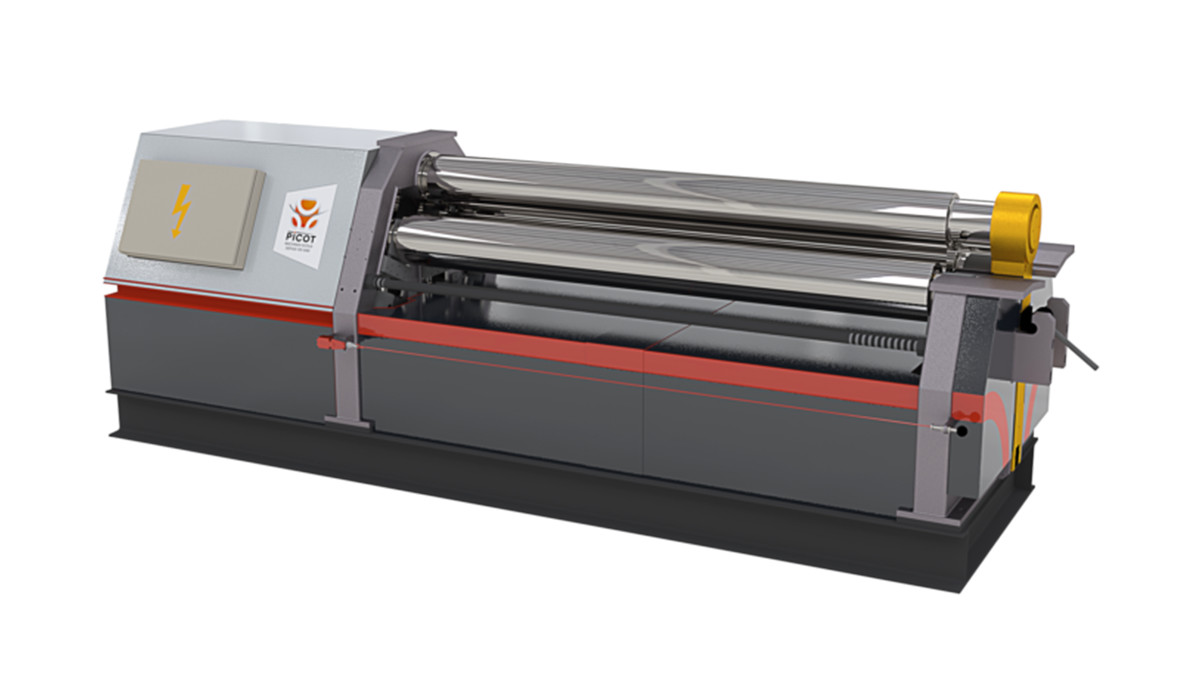
To bend sheet metals into rolls or curved shapes, you can use roll bending. This sheet metal bending guide explains how the method employs a hydraulic press, a press brake, and three rollers to make different bends or a big round bend. This process forms cones, tubes, and hollow shapes.

U-Bending Process

The U-bending process is similar to the V-bending process. It uses the same instrument and method. The only difference is that the result in terms of the shape is U-shaped. U-bending is very famous. Moreover, other methods produce the form flexibly.

Wipe Bending Process

Wipe bending is a sheet metal working process used to create almost flawless bends. It is free of the double scarring found in taper dies. Wipe bending allows the metal shape to be made using just one piece of metal. The wiping dies are possible. It enables the metal to shape when in operation.

Rotary Bending Process

In the process of bending, scratching is produced by the tool. The rotary bending process does not lead to scratching the material’s surface. According to this sheet metal bending guide, it is also ideal because it can bend materials into sharp corners. Therefore, it has become a must-know skill in sheet metal work workshops.

Sheet Metal Bending Allowance

So, what is bend allowance? Bend allowance is a manufacturing term that refers to the allocation given to accommodate sheet metal’s stretch and bending.

When sheet metal is bent from its original flat shape, its physical dimensions will change. The force employed to bend the material causes the material to compress and stretch on the inside and outside.

This deformation changes the sheet metal due to the exerted force of compression and stretching on the bend. The length calculated from the bend’s thickness between the inner surface and the exterior remains the same. And we called this a “neutral axis.”

Bend allowance examines the thickness of the bending angle, the method employed, and the K-factor. Bend allowance measures the compression ratio on the inside line of a bend to the tension on the outside of the bend.

Sheet Metal Bending

Questions you may ask before bending a sheet of metal

What is the best sheet metal bending method?

All sheet metal bending modes serve various purposes and produce multiple shapes. So, the best bending method depends on the material’s goal as per shape.

Is sheet metal easy to bend?

Bending steel plates is not that easy. But with an understanding of the process, it can become manageable. Firstly, you need to understand the methods to use and the tools available. You can go over the article to get familiar with the process.

Conclusion

So that wraps up our discussion of different methods for bending sheet metal. This sheet metal bending guide highlights that the correct solution to your particular problem will depend on the type of material you are using and the shape and size of your finished piece. If you have specific questions about these topics, don’t hesitate to contact us or another professional in your area!

The 5 Most Popular Aluminium Alloys for CNC Machining

Aluminium Alloys For CNC Machining

CNC machining is a great way to create parts without relying too much on the workforce. And aluminium is a popular choice of material for CNC machining due to its density and flexibility. Its popularity has led to various aluminium alloys. It’s always interesting to learn more about the different options available in today’s market.

This article will explain the five most popular aluminium alloys for CNC machining in addition to some details about each alloy and its properties.

Aluminum Alloys for CNC Machining

Aluminum 6061-T6

At this point, it’s easy to see why 6061-T6 is one of the most popular aluminium alloys on the market and one of the standard grades for CNC machining. It offers a good balance between strength and machinability and tolerances that are typically quite close.

Referred to as an extruded alloy, it is very versatile and easy to machine in the CNC machining industry. Engineers can use this alloy in many applications, such as chassis, bicycle frames, valves, computer parts, etc.

Aluminum 7075-T6

7075-T6 aluminium is widely used by manufacturers in applications with high-stress or high-performance requirements, especially within Aluminium alloys for CNC machining. This grade is considerably stronger and offers excellent corrosion resistance if appropriately treated. Manufacturers use this alloy in aerospace and military industries, with typical applications including aircraft fittings, missile parts, and fuse parts.

However, there are trade-offs to using aluminium 7075-T6. It is more expensive and less flexible than many other grades of aluminium alloys. And this grade of aluminium is more prone to cracking than other grades and has a lower elasticity.

Aluminum 2024-T4

2024-T4 aluminium is a standard aluminium alloy used in sheet, plate, and extrusions for various applications. This alloy is commonly found in welding electrodes and applications where components must have high purity and strength at elevated temperatures. The primary use for 2024-T4 is as an aerospace material.

Generally, you can use this type of alloy to include aircraft fuselage, transport vehicle parts, and wing tension members. However, it can be attacked by acids, alkalis, or seawater. It also has high thermal conductivity, which means it can be heat-treated to form extremely brittle material.

Aluminum MIC 6

It is the best alloy to use to produce Stable and high-tolerance plates. Aluminium MIC 6 has a specific combination of alloy and casting methods, which is why it comes in a unique category.

This metal has higher strength-to-weight ratios, excellent accuracy, good elasticity, and excellent thermal stability while remaining relatively easy to machine compared with other aluminium alloys.

There is one drawback to this alloy. MIC 6 threads aren’t as strong, leading to early thread failure. Engineers should keep this limitation in mind during the material selection phase as a manufacturer.

Aluminum 6082 

Aluminium 6082 has a higher tensile strength. Further, it’s exceptionally corrosion-resistant. 6082 aluminium alloy is a good option for manufacturers who want more power at an affordable price.

Aluminium 6082 is promising for general-purpose applications that require an added degree of toughness, especially within Aluminium alloys for CNC machining. Aluminium 6082 material is popular in construction and preferable in bridges, towers, and trusses. However, product designers should remember that it’s daunting to get thin walls using aluminium 6082.

Aluminum Alloys for CNC Machining

Wrapping Up

Aluminium alloys 2024-T4, 7075-T6, and 6082 are best for high-performance applications, while 6061 and MIC 6 can be used in most cases where an all-purpose aluminium will suffice.

If you’re in the market for a CNC machining vendor, we hope that this guide will help you better understand which alloys are suitable for which applications. These analyses can be helpful to engineers across several industries and regions, helping them make educated decisions on what materials to choose when it comes time to purchase materials for their projects.

Delahenty Machinery

CNC machinery by Delahenty Machinery is the place to go for robust machines that can help your business flourish. Our machines are high-quality, and customer service is our top priority. If it’s time to buy a new CNC machine related to Aluminium alloys for CNC machining, check out our latest listings.